Public attention in the travel sector used to focus on the use of outdoor space, the construction of smart cities, and the optimization of smart transportation as integrated solutions, with the core idea of managing resource congestion to make roads smoother and urban operations more efficient. Now, however, "parking difficulty" has become the number one among the "seven major urban difficulties." The rapid increase in vehicles not only brings great convenience to citizens' travel but also imposes tremendous pressure on urban road infrastructure and traffic management.
Every industry is constantly upgrading and innovating, and the parking lot management industry has also entered a peak period of upgrading from old to new. In the future, the public's focus in the travel sector will center on user experience, and smart parking guidance is one part of it. The integration of technologies such as 5G, cloud, and AI, as well as user and market demands, is driving enterprises in the parking industry chain to continuously grow amid the new wave of digital and intelligent transformation.
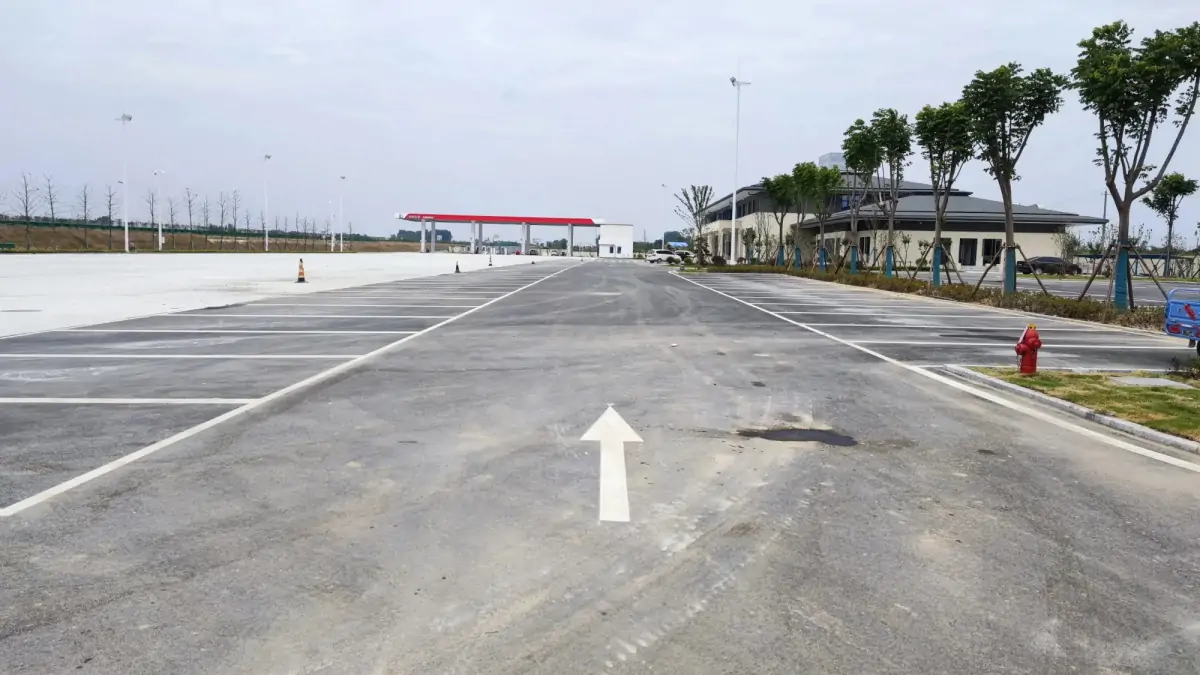
Various large, medium, and small parking lots in China have corresponding supporting measures, but most vary greatly in software and hardware requirements, and most lack comprehensive guidance measures. When a parking lot is too large, drivers cannot quickly find vacant spaces, indoor parking information is unclear, and if congestion occurs, parking cannot be completed quickly. This results in low parking space utilization, wasted time for drivers, and increased exhaust emissions. At the same time, there are still loopholes in charging management, manual management, and payment methods, which affect the overall optimal allocation of the parking lot.
Enterprises specializing in the transportation field, with a pioneering spirit and a pursuit of refined management, have made great progress in smart parking. They now have the strength to promote the construction of smart urban transportation, resolve public parking conflicts, and help drive innovation in the parking industry. Indoor parking guidance is an innovative exploration and practical implementation in the travel sector, and a reflection of the improvement in urban management and service levels in the travel field.
Advantages of Smart Parking Guidance
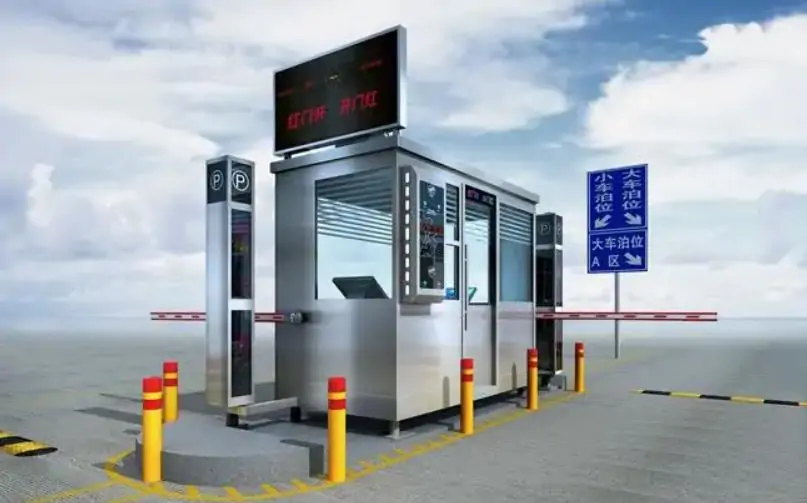
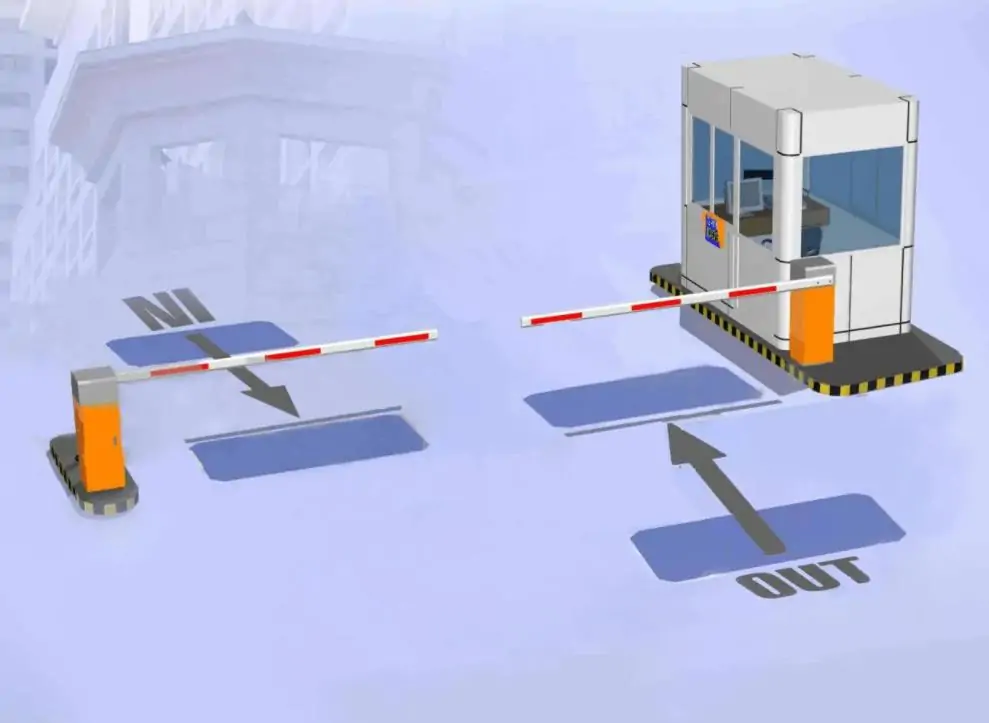
1. Parking lots achieve data sharing, break information silos, effectively compile statistics on parking lot traffic flow, utilization rate, and other information, enhance the informatization function of the parking lot, and help user organizations build a comprehensive smart parking platform that enables rapid vehicle entry and exit, vehicle guidance, and self-service payment.
2. Parking induction, parking space guidance, parking space positioning, and reverse vehicle locating advance together, all achieving electronic self-service management, truly realizing rapid self-service parking and improving the driving experience for vehicle owners.
3. The traditional manual management of parking lots incurs high management costs. Unmanned services for parking guidance are gradually improving, and the degree of automation will become higher and higher, delivering high management benefits. In the future, manual management will be reduced until truly unattended operation is achieved.
4. Mobile phones enable functions such as vehicle entry and exit, payment, and vehicle locating. Parking is no longer just parking; it supports connection with the organization's all-in-one card. Drivers can use the park all-in-one card APP to enter license plate information and self-manage their vehicles. Internal employees bind the park all-in-one card, automatically pay parking fees through the all-in-one card e-wallet, and can self-deposit funds into the all-in-one card e-wallet via WeChat or Alipay.
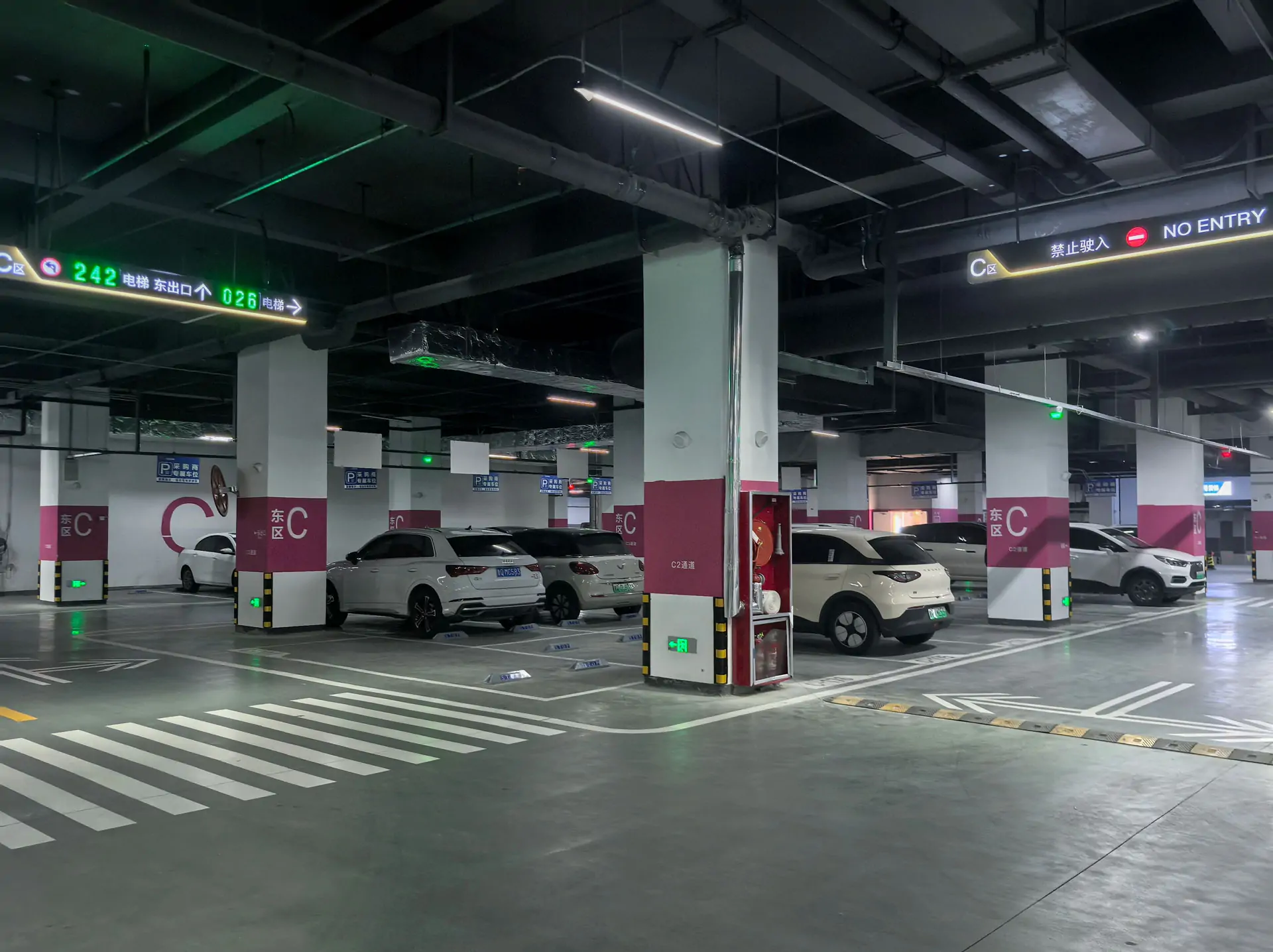
Intelligent Parking Guidance Functions
1. Set multiple charging standards for various situations such as internal vehicles, temporary vehicles, and free vehicles, as well as charging for various time periods, with automatic parking billing. Multiple payment methods are available for users to choose from.
2. Parking lot monitoring function: provides real-time monitoring of parking space detection terminals, indoor guidance displays, network controllers, vehicle-finding query terminals, etc. If any abnormal status occurs, the system backend will display a pop-up alert.
3. Parking space management function: supports real-time control and management of parking spaces, allowing management personnel to view relevant conditions. After parking, parking duration monitoring can be conducted. The timer starts after the vehicle is parked in the space, and the parking duration of each space can be checked at any time in the control room.
4. Parking guidance function: after a vehicle enters, the parking guidance system automatically detects the occupied or vacant status of parking spaces through digital video parking space detection terminals, and transmits the detected parking space status changes in real time to the parking guidance displays. The parking guidance displays guide drivers to quickly find satisfactory vacant spaces.
5. Reverse vehicle locating function: digital video parking space detectors monitor vehicles in parking spaces in real time. Drivers can enter their license plate number on the reverse vehicle locating and payment kiosk in the parking lot to find their parking space.
6. Supports advance payment management. Self-service reverse vehicle locating and payment kiosks are installed in the parking lot, allowing drivers to make advance payments through these machines to avoid congestion at the exit. Alternatively, drivers can scan the QR codes posted inside the parking lot for self-service advance payment.
7. Comprehensive backend management center: management servers and management computers are set up in the management center, responsible for vehicle management and monitoring and managing the entire parking lot. The management computer and the parking lot exit toll computer share data resources.
Huge areas, complex zones, countless passages, and constant traffic flow… These problems troubling drivers will be well solved by the intelligent parking guidance system. Parking and vehicle finding can be quickly located, avoiding blindness and eliminating worries, improving resource utilization, and alleviating vehicle congestion.
The intelligent parking software and hardware service systems are interconnected in information, empowering the intelligent experience of the entire parking process through technologies such as AI, big data, and cloud computing. This not only empowers the business landscape but also brings convenience to public travel.